




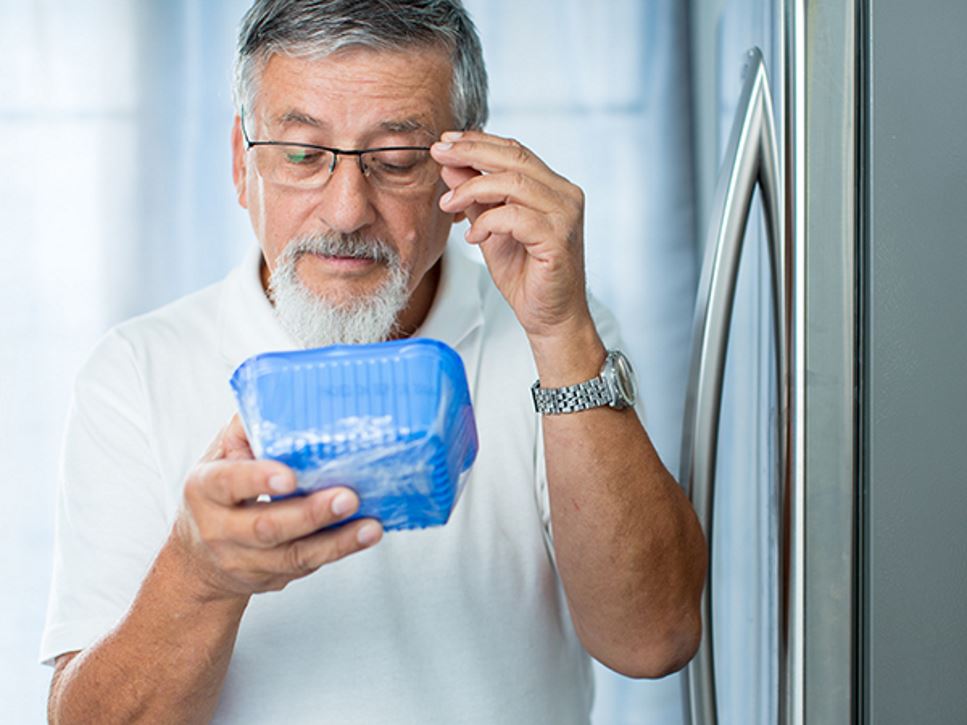
Food packaging contains a wealth of information to help you decide which foods to choose to maintain a healthy lifestyle. While nutrition facts and ingredients are important, there’s another piece of information on food products that's worth attention: product dates.
What Are Open and Closed Dates?
There are two types of dates that usually are displayed on a food product: "Open Dates" and "Closed Dates"
- Open Dates are calendar dates that stores use to determine how long to display a product. It helps determine when to use the product by for best quality. In addition to the open date, there must be a phrase such as "sell by" or "use by" to explain the meaning of the date. These are found primarily on perishable foods such as meat and dairy products.
- Closed Dates are a series of production numbers used by the manufacturer to indicate when a product was made. They primarily appear on shelf-stable products such as cans and boxes of food.
What Do the Dates on Food Labels Actually Mean?
Except for infant formulas, product dates are not expiration dates and are not required.
When a manufacturer chooses to include a date, they indicate when a product should be used for best quality. The terms "sell by," "best by," "best if used by/before” and “freeze by" may give you a reference for how long a food might last but learning more about the difference between these terms can help reduce the amount of food wasted and improve your food safety knowledge.
- Stores use "Sell By" dates to determine when to sell an item by. This is not a safety deadline but may indicate products that have been sitting on the shelf longer.
- Even if a "Best If Used By" date has passed on a food you have at home, it should be safe to consume if stored and handled properly. This is the recommended date for best flavor or quality.
- When a product reaches its "Use By" date, it means it’s no longer at peak quality according to the manufacturer.
- "Freeze-by" dates help to determine when food should be placed in the freezer to maintain maximum quality.
You also may see a "Use within x days of opening" date on food labels. This helps with both quality control and food safety. Bacteria is more likely to contaminate a product once it's been open and exposed to air, utensils or other foods that may have come into contact with it.
To make the most of the quality and freshness of foods at home, learn more about safe food storage. The USDA also offers a FoodKeeper app for food and beverage storage recommendations, including recommendations for when to use a product by after it's been opened.
How Do I Know If My Food Is Safe To Eat?
Some foods may be safe to consume past their product date, while others may go bad before they’ve reached it. This is because foodborne germs can contaminate foods that aren't properly stored and handled.
Some foodborne germs may leave noticeable signs of food spoilage such as mold or unusual tastes and odors. These foods should not be eaten. Other types of foodborne germs don’t always leave clear signs, which makes food safety important for reducing your risk of getting sick.
To properly store and handle foods, always wash your hands, prevent cross-contamination by separating raw meat and poultry from ready-to-eat items, cook food to proper temperatures and refrigerate perishable items promptly.
And remember, if you aren't sure how old something is or if it is safe to eat: When in doubt, throw it out!
References
Find a Nutrition Expert
Looking for credible nutrition information and recommendations? The Academy of Nutrition and Dietetics' network of credentialed food and nutrition practitioners are ready to help!