




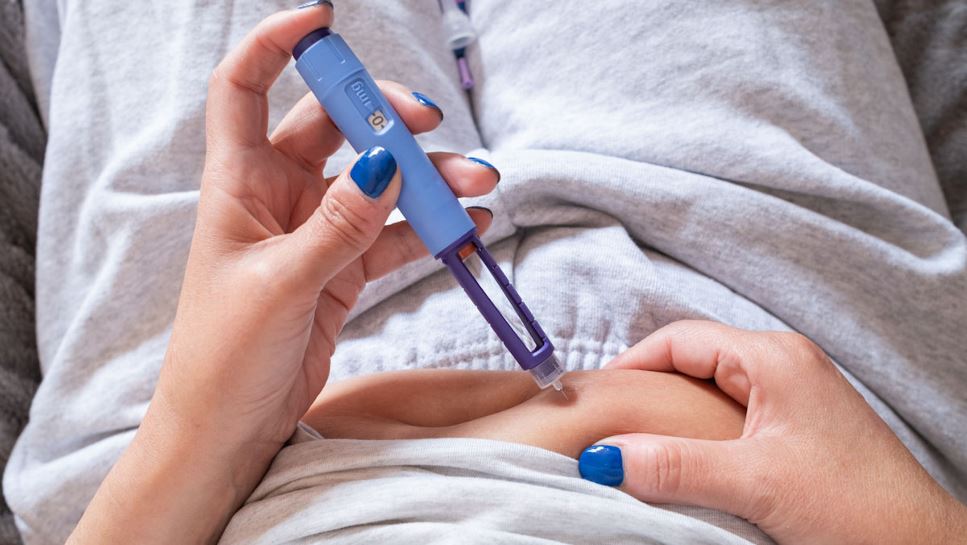
Most people have heard at least something about glucagon-like peptide 1 receptor agonists, more commonly known as GLP-1 medications, or GLP-1s. Due to their effectiveness, these drugs are quickly reshaping diabetes management. With more to offer than just blood sugar management, GLP-1s have become popular with health care providers and the public alike.
What Are GLP-1 Receptor Agonists?
GLP-1 receptor agonists mimic the function of the gut hormone glucagon-like peptide 1. Prescription GLP-1 medications differ from the natural hormone, in that they are not broken down as quickly. This keeps them active longer.
How Do GLP-1s Work?
GLP-1s trigger insulin secretion when food is eaten, helping to lower blood glucose levels. This is known as the ‘incretin effect’. The hormone glucagon also is suppressed. This reduces the amount of glucose that enters the blood, especially after eating. GLP-1s slow digestion. This reduces post-meal blood sugar spikes and increases feelings of fullness. Additionally, GLP-1s decrease appetite.
GLP-1 Medications
GLP-1 medications that are currently available in the United States include:
- Dulaglutide - once weekly injections
- Liraglutide - once daily injections
- Semaglutide - once weekly injections and once daily pills
- Tirzepatide - once weekly injections; these medications are a combination of GLP-1 plus gastric inhibitory polypeptide agonist (GIP)
Semaglutide and tirzepatide are marketed for Type 2 diabetes and weight management under different brand names.
Benefits Beyond Blood Sugar Management
While the primary purpose of GLP-1s in diabetes management is to improve blood sugar levels, these medications have additional health benefits. One advantage of GLP-1s is their ability to promote weight loss. For people with Type 2 diabetes and obesity, weight loss often improves blood sugar levels and overall health. People with Type 2 diabetes have a higher risk of heart attacks and strokes — GLP-1s may help reduce these risks.
In January 2025, the Food and Drug Administration (FDA) approved a brand of semaglutide to reduce the risk of both cardiovascular death and worsening kidney disease in people with Type 2 diabetes and chronic kidney disease. This is another important benefit of GLP-1s, as kidney disease is a common complication of diabetes.
Emerging research indicates GLP-1s may have protective effects on the brain, and may reduce the risk of conditions such as Alzheimer's disease. Promising studies also have examined the use of GLP-1s in the treatment of alcohol and drug addiction. In addition, GLP-1s may quiet the area of the brain that leads to constant thoughts about food, termed “food noise.”
Nutrition-Related Side Effects of GLP-1s
While GLP-1s offer multiple benefits, they are not without side effects. These include:
- Constipation
- Diarrhea
- Nausea
- Vomiting
These symptoms are usually worse when starting the medication and when the dose increases. Starting with the lowest dose and gradually increasing helps give the body time to adjust.
Potential Long-Term Nutrition Risks
In addition to short-term side effects, there are potential long-term nutrition risks to consider.
Prolonged weight loss, especially with inadequate protein intake, can lead to significant muscle loss. People using GLP-1s should prioritize protein-rich foods. Physical activity also helps maintain muscle mass during weight loss.
Severe nausea or vomiting may lead to inadequate nutrient intake and malnutrition. Regular monitoring by a health care provider, as well as a registered dietitian nutritionist, can ensure that nutrient needs are met.
Nutrition Tips for Success with GLP-1 Medications
- Schedule meals and snacks: Eating every four to five hours helps prevent overeating or getting too hungry.
- Choose lean proteins: Chicken, fish, beans and tofu are good choices.
- Limit high-fat foods: Limit creamy sauces and soups, and choose baked or grilled rather than fried foods.
- Eat small portions: Stop eating before feeling full to minimize nausea.
- Wait to lie down after eating: Lying down too soon after eating may increase heartburn or nausea.
- Eat slowly: Chewing food thoroughly and slowing down the pace of eating helps lessen risk of nausea and overeating.
- Limit distractions: Focus on the food while eating to prevent overeating and improve digestion.
- Stay hydrated: Drink plenty of water.
Key Takeaways on GLP-1s for Type 2 Diabetes
While GLP-1s are important tools for managing diabetes and promoting weight loss, they are not without risk. Nutrition therapy plays a critical role for people taking GLP-1s to lessen short-term nutrition-related side effects, prevent inadequate nutrient intake and minimize muscle loss. Additionally, weight regain after stopping GLP-1 therapy is a consideration. Ongoing nutrition and lifestyle support can help address this. A registered dietitian nutritionist can work with you to develop an individualized eating plan that meets your specific needs.
References
Find a Nutrition Expert
Looking for credible nutrition information and recommendations? The Academy of Nutrition and Dietetics' network of credentialed food and nutrition practitioners are ready to help!