




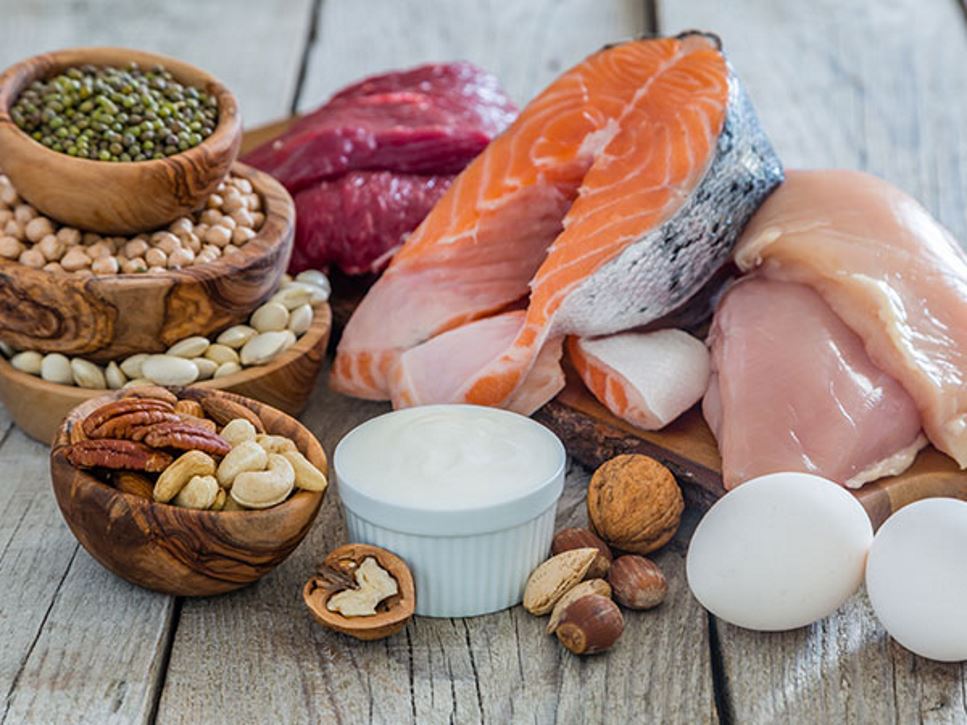
Protein is a nutrient found in many types of foods. It is vital for life. Anytime your body is growing or repairing itself, protein is needed. How much protein you need depends on several factors, including age, sex, health status and activity level.
The body needs a regular supply of protein to make and repair cells. In addition to muscles, other body tissues are primarily made from protein, such as organs, hair and eyes. Protein also helps:
- Fight infection
- Carry fat, vitamins, minerals and oxygen around the body
- Build and contract muscles
- Keep body fluids in balance
- Clot blood
Foods that Contain Protein
Protein can be found in both animal and plant-based foods. Some sources of protein are considered better choices than others due to their influence on heart health. Eating plans that include low-fat dairy products, skinless poultry, fish, beans, lentils and soy foods such as tofu and tempeh may help improve blood pressure and cholesterol levels. Healthy protein choices include:
- Meat, poultry and eggs: lean cuts of beef, lamb, goat, pork loin, skinless chicken and turkey, quail and duck
- Fish and seafood: salmon, tuna, cod, shrimp, mackerel, lobster, catfish
- Low-fat or fat-free dairy foods: yogurt, milk, cheese, cottage cheese
- Legumes: beans, split peas, lentils, soy
- Nuts and seeds: walnuts, almonds, chia seeds, pumpkin seeds, pistachios, cashews and peanuts
Foods rich in protein may also be high in saturated fat. High intakes of saturated fat may increase the risk for heart disease. As a general rule, limit protein foods that are high in saturated fats, such as:
- Meats and poultry: bacon, chicken fried steak, Chorizo sausage, fried chicken, hot dogs, lunch meats, organ meats, processed meats, sausage and spare ribs
- Fish and shellfish: breaded and fried options
- Whole-fat dairy: whole milk and other whole-fat dairy products
Getting the Right Amount of Protein
Most healthy individuals should aim for the Recommended Dietary Allowance (RDA) of protein for their age and sex. Your exact needs may vary, especially if you are very physically active, pregnant or breast-feeding, or have certain medical conditions. The targets below are based on the RDA.
Age Sex Daily Protein Recommendation
1-3 years Female and male 13 grams per day
4-8 years Female and male 19 grams per day
9-13 years Female and male 34 grams per day
14-18 years Female 46 grams per day
14-18 years Male 52 grams per day
19 and older Female 46 grams per day
19 and older Male 56 grams per day
When choosing foods throughout the day, considering your serving sizes may be more helpful than counting grams of protein. The amounts below provide about 7 grams of protein each.
- 1 ounce cooked meat, poultry or fish
- ½ cup cooked beans or lentils
- 1 egg
- 2 tablespoons peanut, almond or sunflower butter, or tahini
- 1 ounce nuts or seeds
- ¼ cup or 2 ounces tofu
- 2 ounce cooked tempeh
For some of these foods, it's common to eat more than the amount listed above. For example, a piece of meat about the size of a deck of cards, a can of drained tuna and a small chicken breast are about 3 ounces of protein each (providing around 21 grams of protein).
In addition to foods people generally think of when they picture protein, whole-grain and dairy foods also contain protein. Most Americans get enough protein overall, but lack variety. Shifting intake to include seafood twice a week and legumes more often in place of other protein foods is encouraged.
References
Find a Nutrition Expert
Looking for credible nutrition information and recommendations? The Academy of Nutrition and Dietetics' network of credentialed food and nutrition practitioners are ready to help!