




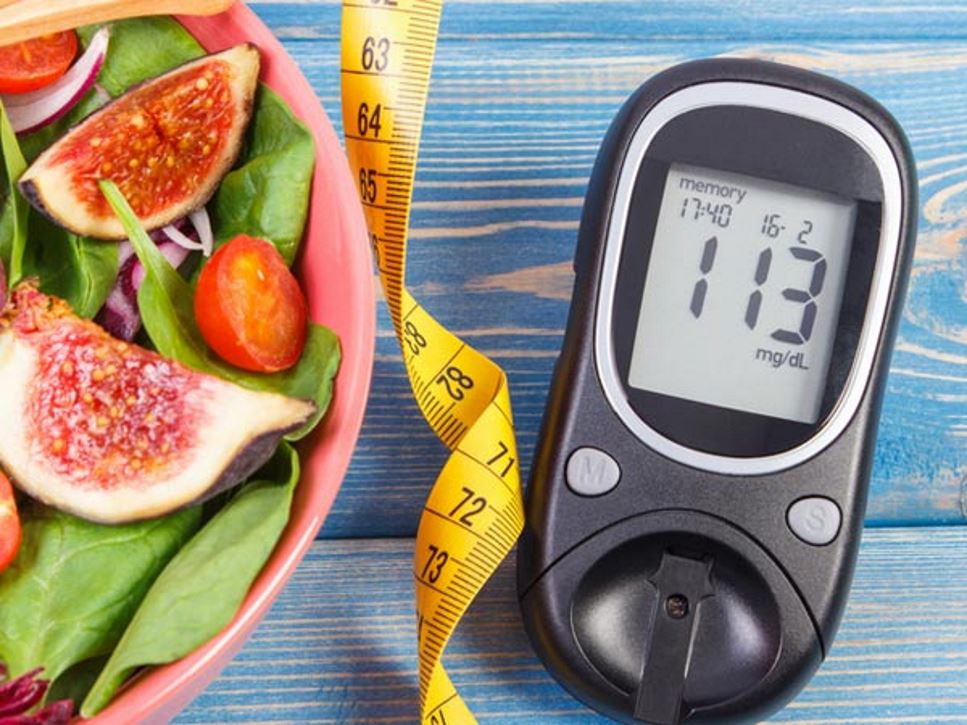
Millions of Americans have prediabetes, a condition that raises the risk of developing Type 2 diabetes, heart disease and stroke. Prediabetes is sometimes referred to as impaired fasting glucose or impaired glucose tolerance. This condition occurs when your blood glucose (blood sugar) levels are higher than the normal range but not high enough to be diagnosed with Type 2 diabetes.
If left untreated, prediabetes may develop into Type 2 diabetes. Fortunately, changes in lifestyle — such as managing food choices and increasing physical activity — can help return blood glucose levels to normal.
What Are the Risk Factors?
There are few risk factors associated with the onset of prediabetes.
You are at higher risk if:
- You are 45 years or older
- You have an overweight or obese body mass index (BMI)
- You have an immediate family member with diabetes
- You are not physically active
- You have a history of gestational diabetes, heart disease, high blood pressure or high cholesterol
What Does It Mean to Have Prediabetes?
With prediabetes, your body may produce less insulin, your sensitivity to insulin may decrease, or both may occur. Insulin acts by regulating blood glucose, helping your body turn carbohydrates into energy. Having high blood glucose puts you at risk for developing long-term effects associated with diabetes such as blindness, damage to nerves and kidneys, and circulatory system problems.
Ways to Manage Prediabetes
The Centers for Disease Control and Prevention's National Diabetes Prevention Program has helped many people make healthy lifestyle changes to reverse prediabetes and prevent Type 2 diabetes. Consider finding a CDC-recognized program near you. Everyone with prediabetes can slow the disease progression by following these strategies:
- Participate in regular physical activity. The Physical Activity Guidelines for Americans recommend at least 150 minutes of physical activity per week.
- If your BMI falls into the overweight or obese range, aim for a small amount of weight loss (5% to 7% of your current body weight).
- Follow a balanced eating pattern that includes fruits, vegetables, whole grains, lean protein foods, and low-fat or fat-free dairy products or fortified dairy substitutes.
- Work with a registered dietitian nutritionist (RDN) to help you make lasting healthy habits.
A Healthy Meal Plan
Following a balanced diet and eating meals at consistent times can help with blood glucose control. Glucose comes primarily from the foods we eat, specifically carbohydrates — and it’s not just sweets. A variety of healthful foods contain carbohydrates. While all carbohydrate-containing foods affect your blood glucose levels, you do not need to cut carbohydrates out of your diet!
When putting together a meal plan, include the different food groups with a variety of food choices, such as:
- Vegetables
- Fruits
- Whole grains
- Proteins, such as lean meat, chicken, fish, lentils, beans, tofu and tempeh
- Dairy products, such as yogurt, milk and fortified non-dairy beverages
A registered dietitian nutritionist can help you create a customized plan that takes into consideration your food preferences, age, sex, activity level and medical diagnoses. Find an RDN in your area or one who offers telehealth services using our Find a Nutrition Expert tool.
References
Find a Nutrition Expert
Looking for credible nutrition information and recommendations? The Academy of Nutrition and Dietetics' network of credentialed food and nutrition practitioners are ready to help!