




Glycemic index is a measure of how quickly a food causes our blood sugar levels to rise. Glycemic index (GI) ranks food on a scale of zero to 100. Foods with a high GI are quickly digested and absorbed, causing a rapid rise in blood sugar. Meanwhile, foods with a low GI are digested and absorbed at a slower rate with a slower rise in blood sugar levels.
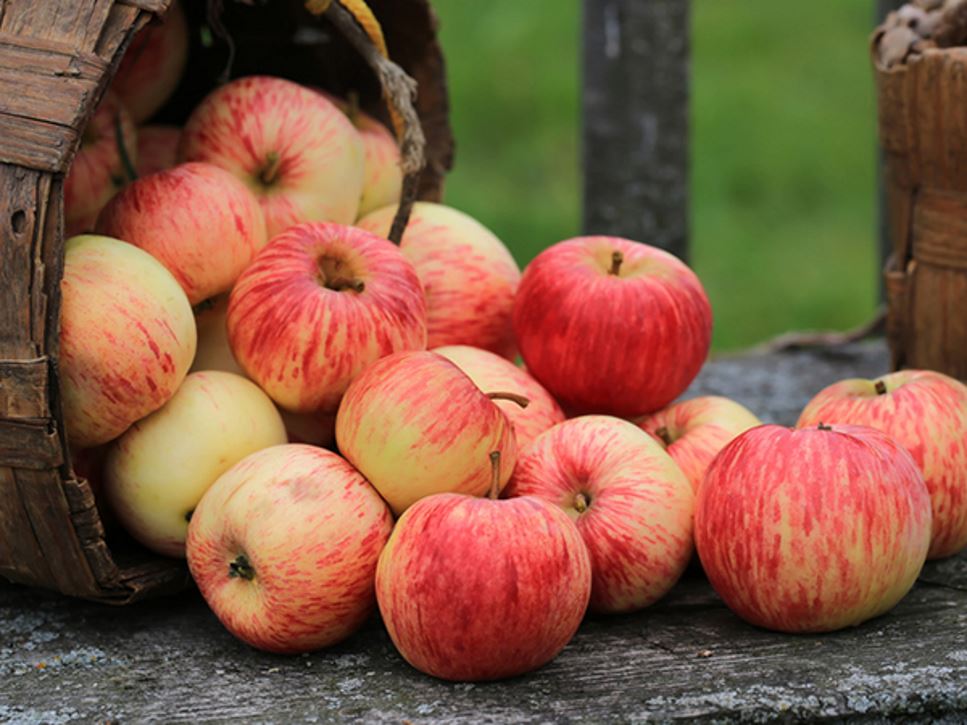
Typically, foods with a high GI are low in dietary fiber and high in carbohydrates. Pretzels, for example, have a glycemic index of 83. Low GI foods are often rich in dietary fiber, protein, fat or a combination of these nutrients. For example, apples have a glycemic index of 28 and Greek-style yogurt has a GI of 11.
While GI can be a helpful tool, keep in mind that a low GI doesn't mean a food is high in nutrients. You still need to choose healthy foods from all five food groups.
Glycemic Index: An Imperfect System, but Useful Tool
While glycemic index can be helpful, there are two major limits to consider when using it.
Glycemic Index Is Less Accurate When Foods Are Combined.
The GI of a food only applies when it is consumed on an empty stomach without any other type of food. As people often combine foods when they have a meal or snack, this can make glycemic index less reliable.
When you eat a meal, you might pair a high GI food with a lean steak or a piece of salmon, a side of broccoli and a salad with vinaigrette. When foods are combined like this, the protein, fiber and fat lower the glycemic index of the meal.
Glycemic Index Does Not Reflect Portion Sizes Commonly Consumed.
Glycemic index is determined by giving people a serving of a food that contains 50 grams of carbohydrate, minus the fiber. Then, blood glucose is monitored for two hours. However, the amount of food that is needed to provide 50 grams of carbohydrate varies.
For example, rice provides 53 grams of carbohydrate per cup. But it would take nearly 4 cups of beets (providing about 13 grams of carbohydrate per cup) to provide this amount of carbohydrate. So while beets may have a GI of 64, it's for a portion size not commonly consumed.
An Alternative to Glycemic Index
Glycemic load, or GL, is a formula that considers portion size and glycemic index in one number. The carbohydrate content of the serving size is multiplied by the food's GI, then that number is divided by 100. So, for a cup of beets, the GL would be calculated as:
13 x 64 = 832
832/100 = 8.3
Glycemic Load = 8.3
As a frame of reference, a GL higher than 20 is considered high, between 11 and 19 is considered moderate, and 10 or less is considered low.
The bottom line: Even though the glycemic index isn't a perfect system, it can be a useful tool to identify lower-glycemic foods that often are more nutrient-dense.
References
Find a Nutrition Expert
Looking for credible nutrition information and recommendations? The Academy of Nutrition and Dietetics' network of credentialed food and nutrition practitioners are ready to help!